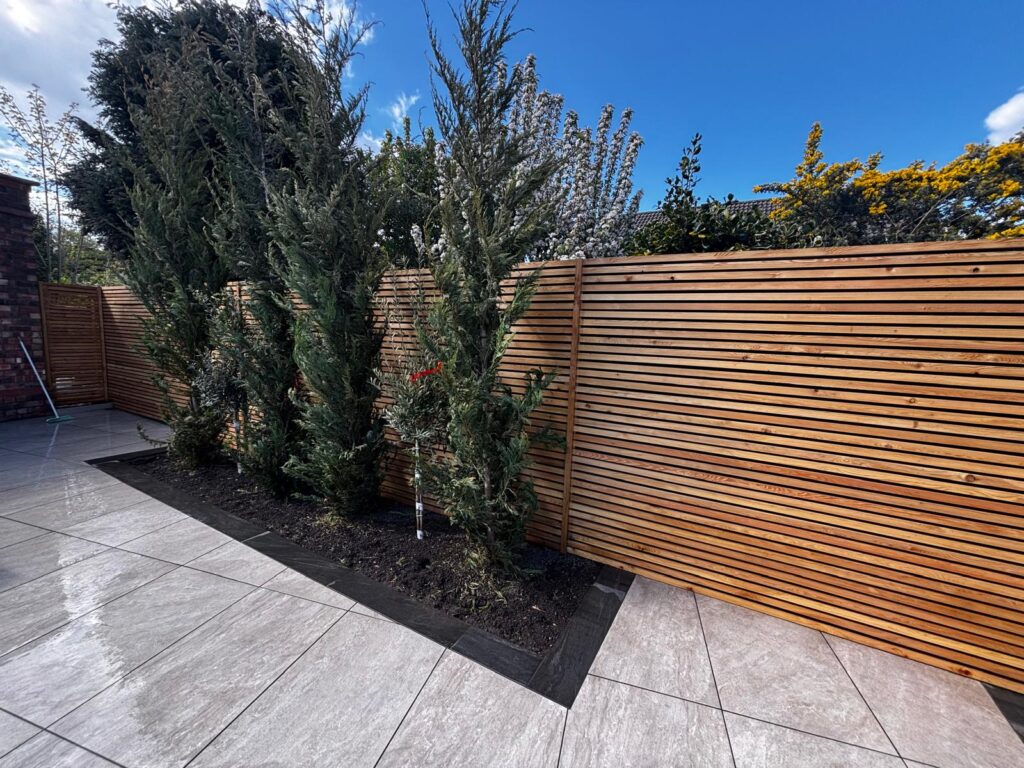
Porcelain patio tiles have become one of the most popular choices for outdoor spaces across the UK thanks to their modern appearance, durability, and low maintenance qualities. Homeowners often choose porcelain paving because it creates a clean and contemporary finish that looks stylish all year round. However, one question we are regularly asked at C&K Driveways is whether porcelain patio tiles should actually be sealed after installation.
The answer is not always as straightforward as many people expect. Unlike natural stone paving, porcelain is manufactured differently and already has a very low porosity level, meaning it absorbs very little water. This naturally leads many homeowners to wonder whether sealing is really necessary or simply an added extra. The truth is that sealing porcelain paving depends on several factors, including the type of porcelain tile, the location of the patio, how the area is used, and the type of maintenance you want to carry out in the future.
At C&K Driveways, we install porcelain patios across Liverpool and surrounding areas, and we understand how important it is for homeowners to protect their investment properly. In this guide, we will explain the advantages, disadvantages, and considerations involved when deciding whether to seal porcelain patio tiles.
Understanding Porcelain Patio Tiles
Porcelain paving is very different from traditional concrete slabs or natural stone. It is manufactured using high temperatures and dense materials that create a hard-wearing and non-porous surface. This makes porcelain highly resistant to moisture, staining, frost, and general weather damage, which is one of the reasons it has become so popular for patios in the UK.
One of the biggest benefits of porcelain paving is its low maintenance nature. Unlike sandstone or limestone, porcelain does not absorb large amounts of water, meaning it is less likely to develop staining, algae growth, or weather-related damage. The smooth surface also makes cleaning much easier compared to more textured paving materials.
Because porcelain is already highly resistant to moisture and staining, many manufacturers state that sealing is not essential. However, that does not necessarily mean sealing has no benefits at all. The decision often depends on the environment the patio is in and how much protection the homeowner wants over time.
Why Some Homeowners Choose To Seal Porcelain Tiles
Even though porcelain paving is naturally resistant to water and staining, some homeowners still choose to apply a sealant for added protection and easier maintenance. At C&K Driveways, we often discuss these options with customers once their patio installation has been completed.
One reason people seal porcelain tiles is to help protect the grout joints rather than the tiles themselves. While the porcelain surface is highly resistant, the joints between the tiles are often more vulnerable to moisture, dirt, algae, and staining. Applying a suitable sealant can sometimes help reduce the build-up of dirt within these joints and make future cleaning easier.
Some sealants can also provide additional resistance against surface staining caused by food, drink, oils, leaves, or outdoor furniture. This can be especially useful for patios used regularly for entertaining or dining areas where spills are more likely to occur.
Certain homeowners also like the slight enhancement some sealers provide to the overall finish, although this depends on the type of product used. Some sealants leave a completely natural appearance, while others can slightly deepen the colour or create a subtle sheen.
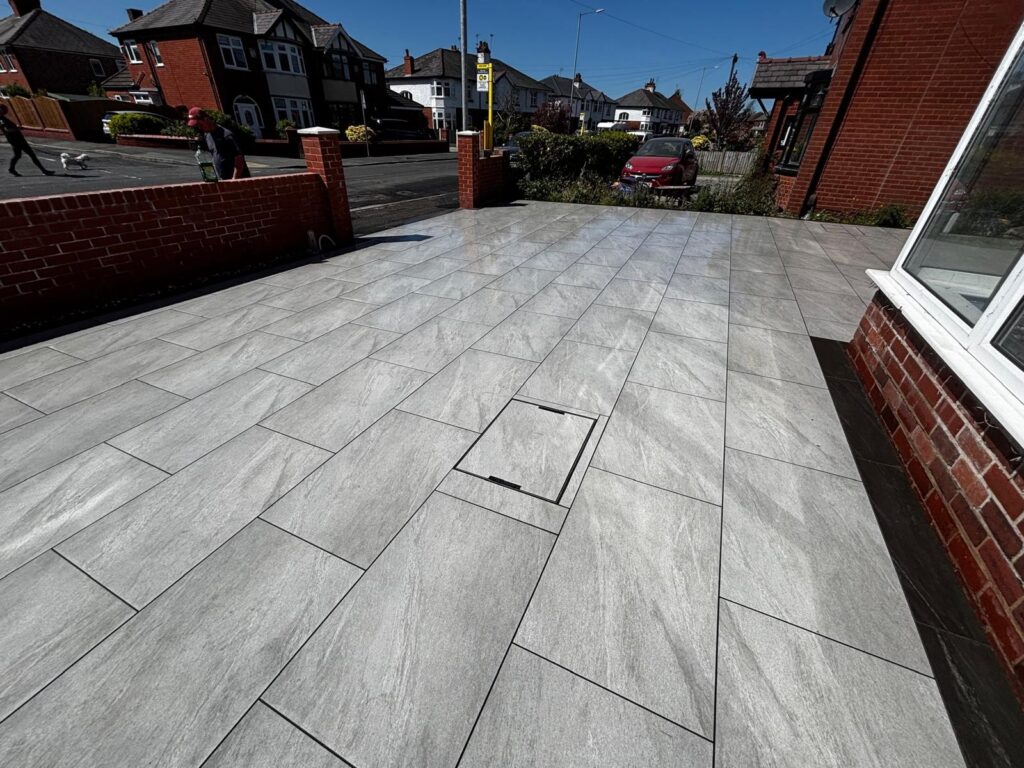
When Sealing May Not Be Necessary
In many cases, porcelain paving performs perfectly well without any sealant at all. High-quality porcelain tiles are specifically designed to withstand outdoor conditions without needing constant treatments or coatings. This is one of the reasons porcelain has become such a popular low-maintenance option for patios across Liverpool and throughout the UK.
Applying the wrong type of sealant can sometimes create more problems than benefits. Certain products may leave streaks, patches, or unwanted residue on the surface if they are not suitable for porcelain. Because the tiles absorb very little moisture, some sealers struggle to bond correctly and may not perform as intended.
At C&K Driveways, we always advise homeowners not to assume sealing is automatically required simply because it is common with natural stone paving. Porcelain is very different, and many patios remain in excellent condition for years with nothing more than regular cleaning and proper installation.
The quality of the installation itself also plays a huge role in long-term performance. Proper drainage, correct jointing, and a solid foundation are often more important than whether the tiles are sealed.
The Importance Of Proper Installation
Before even thinking about sealing, the most important factor with any porcelain patio is the installation quality. At C&K Driveways, we always explain that a poorly installed patio will develop problems regardless of whether sealant is applied later on.
Porcelain tiles require specialist installation methods because they are less porous than other paving materials. This means proper priming slurry, suitable adhesives, and correct jointing compounds must all be used to ensure the tiles bond securely and remain stable over time.
Drainage is another essential part of the process. Even though porcelain itself absorbs very little water, poor drainage around the patio can still lead to puddling, moss growth, or slippery surfaces. Ensuring the patio is laid to the correct falls allows water to drain away naturally and helps keep the area cleaner and safer.
A professionally installed porcelain patio already provides excellent durability and weather resistance. Sealing should never be viewed as a way to compensate for poor workmanship or installation shortcuts.
Does Sealing Help Prevent Algae And Moss?
One of the main concerns homeowners have with outdoor patios in the UK is algae and moss growth, especially during damp winters and periods of wet weather. Liverpool’s climate can create ideal conditions for these problems to develop on outdoor surfaces if they are not maintained properly.
Porcelain paving already offers better resistance to algae and moss compared to many natural stones because its smooth surface absorbs far less moisture. However, dirt and organic matter can still build up on the surface over time, particularly in shaded areas or spaces with limited sunlight.
Some sealants claim to offer additional protection against algae and moss growth, but regular cleaning and maintenance are still the most effective ways to keep a patio looking its best. Sweeping away leaves, keeping drainage channels clear, and occasionally washing the surface can often achieve excellent results without the need for sealing.
At C&K Driveways, we usually recommend focusing on regular upkeep rather than relying solely on sealants to prevent outdoor growth problems.
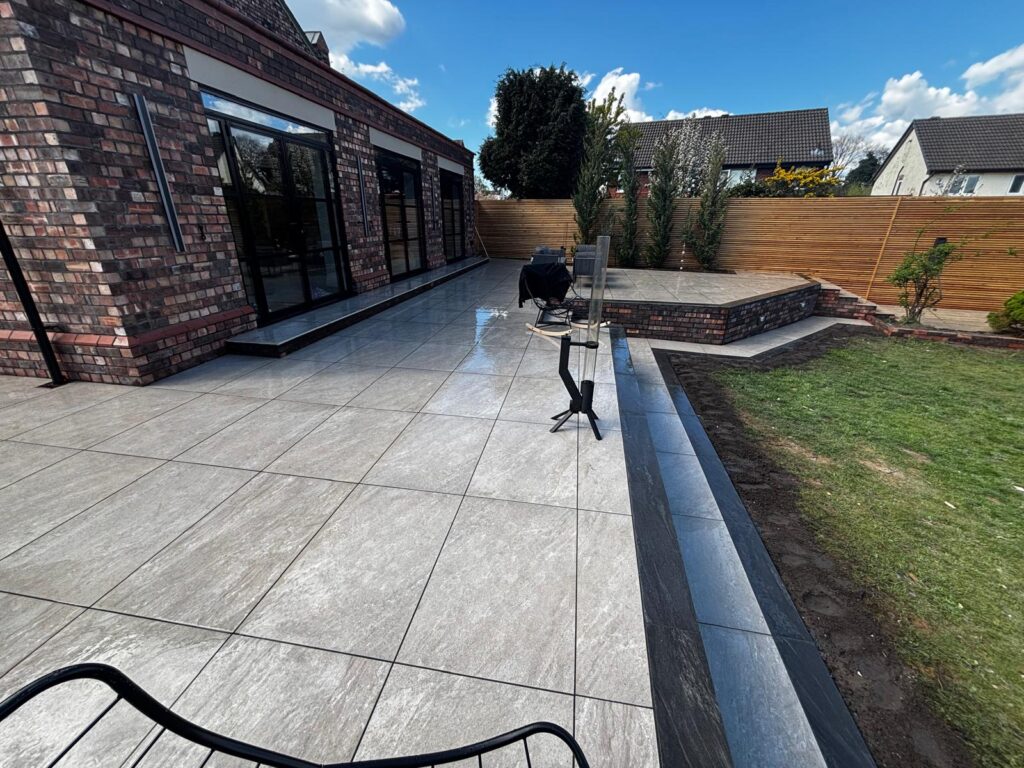
Choosing The Right Sealant For Porcelain Paving
If you do decide to seal your porcelain patio, choosing the correct product is extremely important. Not all paving sealants are suitable for porcelain, and using the wrong one can affect both the appearance and performance of the surface.
Porcelain-specific sealants are designed to work with low-porosity materials and provide a breathable protective layer without leaving excessive residue. Some products are designed mainly for grout joint protection, while others focus more on stain resistance.
Before applying any sealant, the patio must be completely clean and dry. Any dirt, moisture, or residue trapped beneath the sealant can affect the final finish and potentially lead to patchy results. It is also important to follow manufacturer guidelines carefully regarding application methods and drying times.
At C&K Driveways, we always recommend speaking to experienced professionals before sealing porcelain paving. Using the correct products and application techniques makes a significant difference in achieving the desired result.
Maintaining A Porcelain Patio
Whether you choose to seal your porcelain patio or not, regular maintenance is still important for keeping the area looking clean and attractive. Fortunately, porcelain is one of the easiest patio materials to maintain, which is one of the reasons so many homeowners choose it.
Most dirt and surface marks can be removed using warm water, a brush, and mild cleaning products. Pressure washing can also be effective when done carefully, although excessive pressure should still be avoided around joints and edges.
Leaves and organic debris should be removed regularly, particularly during autumn and winter, to reduce staining and algae growth. Outdoor furniture should also be moved occasionally to prevent dirt build-up beneath tables, chairs, and planters.
At C&K Driveways, we always advise homeowners that consistent light maintenance is far better than allowing heavy dirt build-up to develop over time. A little regular care helps keep porcelain patios looking fresh and modern throughout the year.